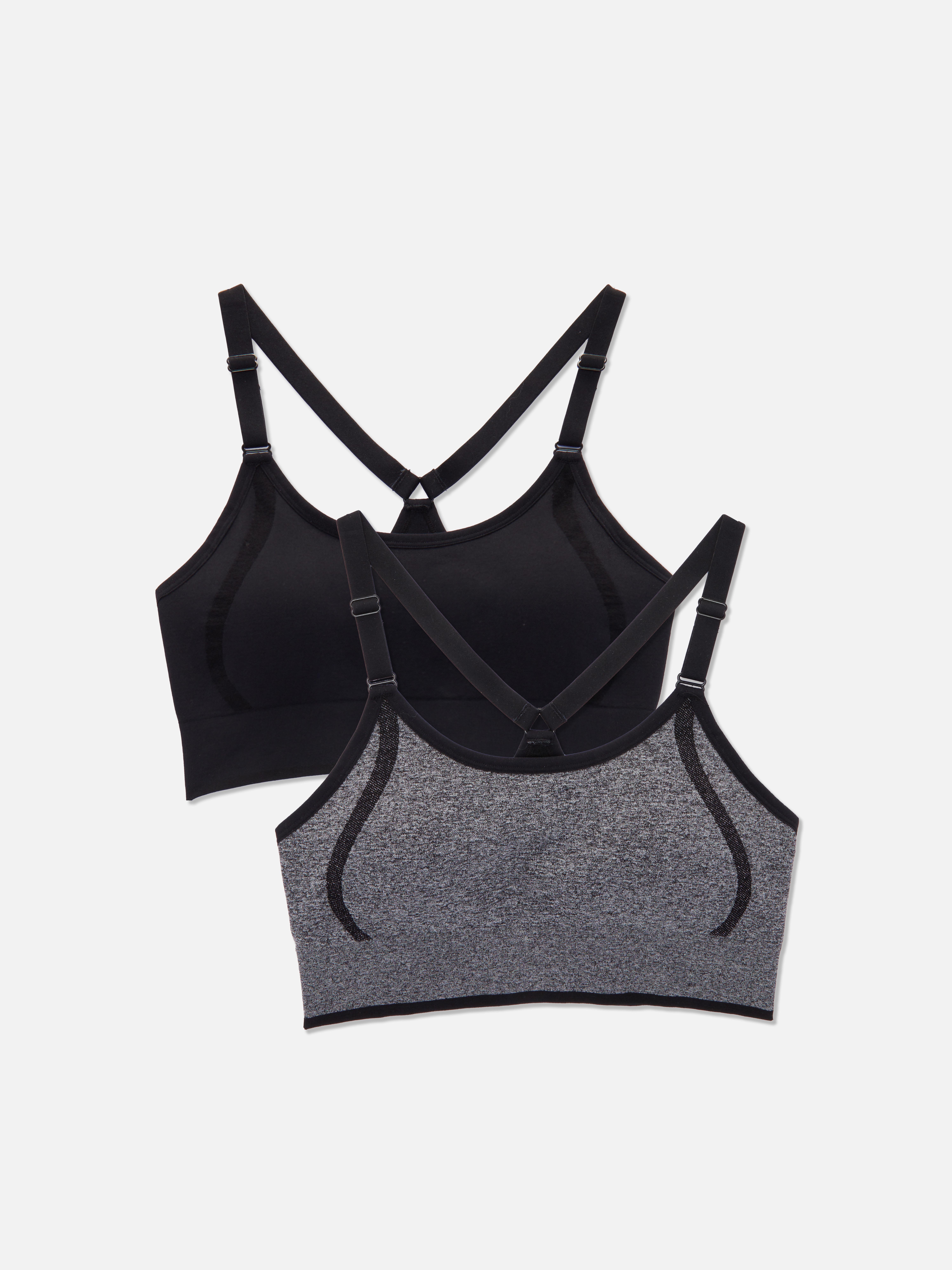
How to choose a good sports bra
Support? Straps? Style? Whatever you need a sports bra for, we’re here to help you figure out which one is best for you.
Shop our range of sports bras in-store or online via our Click & Collect service at selected UK stores.
Why choosing the right sports bra matters
Finding the right sports bra is essential for comfort and support during exercise. The right fit can reduce breast movement by up to 60%, protect tissue, boost performance and support long-term breast shape. Whether you're wanting to find the best sports bra for jogging, walking, yoga or high-intensity workouts, we'll help you understand what to look for.
What makes a good sports bra?
A good sports bra offers the right amount of support, comfort and breathability for your bust size and the activity you are doing. From yoga to marathon running, a good sports bra should stay secure and comfortably protect the breast tissue during exercise. We’ve broken this down below:
Fit: Even if you have a well-designed sports bra, an ill-fitting bra can directly affect comfort and performance during physical activity. A poor fit (like straps that dig in, bands that ride up, or cups that gape or compress too tightly) can cause chafing, restricted movement, breast pain and even breathing issues during intense exercise.
Design: Whether compression, encapsulation or a hybrid, the design should align with your breast size and the impact level of your workout. For example, research suggests compression bras are best suited for smaller-breasted women (A to C cup), while encapsulation bras are best suited to larger busts.
What are the different types of sports bras?
There are typically three types of sports bra styles: compression, encapsulation and hybrid. Each style is designed to support different body types and activity levels.
What is a compression sports bra?
A compression sports bra presses breast tissue against the chest wall to minimise movement, ideal for smaller busts (A to C cups) or low to medium-impact sports. They are often seamless, pullover styles that prioritise flexibility and offer similar coverage to traditional racerback sports bras without individual cup support.
Support level: Compression sports bras work by pressing both breasts firmly against the chest to minimise movement.
Best for: they are best suited to smaller busts (A–B cups)
Impact level: activities with low to medium impact
Activities: yoga, walking, or light weight training
Shape & appearance: these bras tend to create the look of a flatter chest with minimal shaping
Fit & feel: they usually feature a stretchy, snug, pullover fit
Strap styles: they often come in racerback or seamless strap styles
Ease of wear: very easy to put on and take off
Design & breathability: their design uses fewer layers, boosting breathability and comfort
What is it for: casual or everyday use
What is an encapsulation sports bra?
Encapsulation sports bras provide support through individual cups, similar to a regular bra. This design supports each breast separately, offering a higher level of control and reducing movement in multiple directions, especially for larger busts (C cup and above). These bras are suited for high-impact activities such as running or HIIT, supporting both vertical and multidirectional breast movement.
Support level: Individual cups support each breast separately
Best for: These bras are ideal for larger bust sizes (C+ cups)
Impact level: medium to high-impact activities
Activities: running, HIIT, and aerobics
Shape & appearance: They maintain a natural breast shape
Fit & feel: They have a firmer, more structured fit
Strap styles: an underband and adjustable, thicker straps
Ease of wear: Often has clasps or hooks
Design & breathability: they can feel warmer due to additional layers and support features
What is it for: High-support needs, fuller busts, high-impact activity
What is a combination sports bra?
A combination sports bra is a hybrid style that combines encapsulation and compression features to offer the benefits of both types of sports bras. It is designed to support each breast individually (encapsulation) while also providing compression to reduce overall breast movement. This dual approach makes it ideal for all bust sizes and a wide range of activities where both support and minimised movement are essential.
Support level: combines both compression and encapsulation
Best for: all bust sizes
Impact level: medium to high-impact activities
Activities: gym workouts, dance, running
Shape & appearance: hybrid sports bras offer a contoured, supportive shape while maintaining comfort
Fit & feel: secure and comfortable. They often come with adjustable straps
Strap styles: may use either pullover or clasp closures
Ease of wear: often has clasps or hooks
Design & breathability: hybrid styles strike a balance between breathability and structure
Who is it for: anyone wanting support and control during exercise
Sports bra support levels explained:
Low support
Made for low-impact activities like yoga, stretching, or walking. These styles offer light compression and comfortable movement.
Features:
Soft cups
Comfortable straps and lightweight fabrics
Best for: A and B cup bust size
Common bra styles: compression sports bras
Medium support
Suitable for activities like cycling or strength training. These provide balanced compression and freedom of movement.
Features:
Moderate compression and shaping
Wider straps for added support
Breathable materials for comfort
Best for: A-C cup bust size
Common bra styles: compression or hybrid sports bras
High support
Essential for high-impact activities like running or HIIT (high intensity interval training). These minimise movement and offer maximum support.
Features:
Strong compression and encapsulation (separate cups for each breast)
Adjustable straps and wider bands
Durable, moisture-wicking fabrics
Maximum support and reduced bounce for high-movement activities
Best for: C+ cup bust size
Common bra styles: encapsulation or hybrid sports bras
Why wearing the right sports bra size matters
Choosing the right sports bra is not just about comfort, it’s crucial for breast health and athletic performance. Other things that may impact your bra size are the types of bra styles you choose and the materials of the bra. We always recommend trying on and testing the fit of each bra you buy, to make sure you’re comfortable and correctly supported.
Tips for choosing the right sports bra size:
1. Start with your everyday bra size
Take your bra size as a starting point and try on sports bras in that size. Always check on bra sizing charts and guides to get accurate measurements. You can check out our bra size chart for more information.
2. Measure your cup and band size
Visit our bra fit guide for detailed instructions on how to measure your cup and band size.
Top tip: When buying a sports bra, stick to the size you are in your day-to-day bra. It’s normal for it to feel tighter as it’s minimising bounce!
3. Check the underband doesn’t ride up
The band provides 80-90% of the support in a sports bra. It should lie parallel to the floor, not ride up at the back and be able to accommodate two fingers under the band (no further than 5cm) comfortably.
4. Check the shoulder straps
Straps should stay in place without digging into the skin. Adjustable straps are ideal for a custom fit. If the straps are doing all the heavy lifting, the band is too loose (it should not be able to be pulled out more than 5cm). Racerback and cross-back styles can add extra support for high-impact workouts.
5. Check between your breasts
You should see no gaping, spillage or puckering of the breasts. Cups should separate and support the breasts, especially for encapsulation or hybrid bras. For compression bras, ensure a flat but not squashed fit.
6. Try the jump test
Jump or jog in place when trying on your sports bra. If you notice excessive bounce, you should try a higher support level. Breasts should feel secure and close to the chest with minimal movement.
Different sports bra strap types
Criss-cross: Straps cross each other at the back, forming an "X" shape. This style often provides extra support and stability, particularly for larger busts.
Racerback: Racerback straps come together at the back, forming a "T" or "Y" shape. This design helps to distribute the weight more evenly across the shoulders and back.
Tank top: These are the most common strap style, like those found on everyday bras. They are usually adjustable and offer a basic fit that works for low to moderate-impact activities.
Pullover: A pullover sports bra is designed to be worn by slipping it over your head rather than fastening it with hooks, zippers, or clasps. The lack of closure mechanisms makes it simpler to wear.
Back clasps: A back clasp sports bra has a closure (often a hook-and-eye or clasp system) located at the back, like the kind of closure found in many regular bras. This contrasts with sports bras that are designed to be pulled on over the head or that have a front closure.
Front zip: This style features a zipper closure on the front (usually in the middle of the chest) instead of the more traditional back or side closure. This design allows for easier and more convenient wear, especially when it comes to getting the bra on and off.
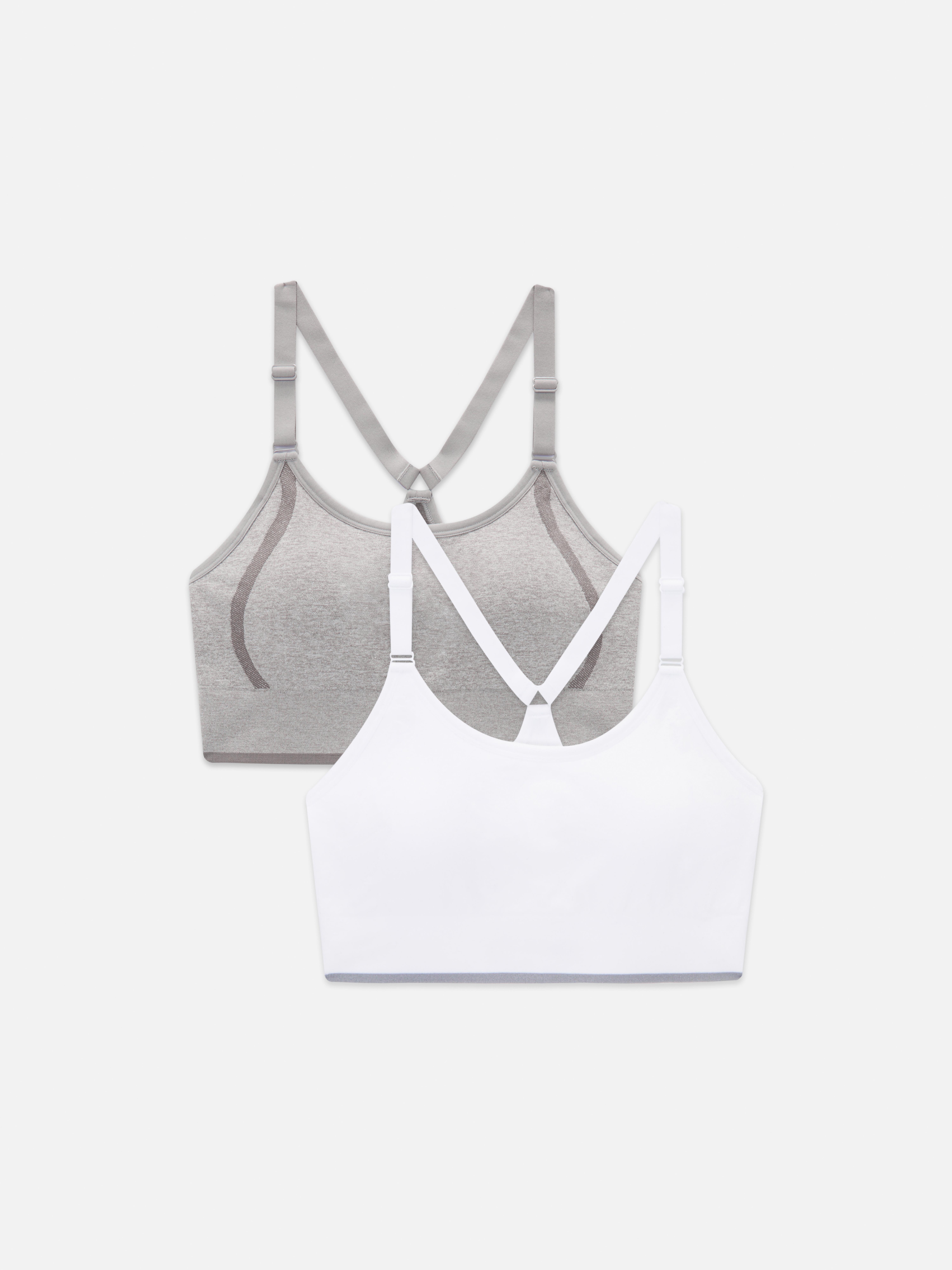
Sports bra features
Moisture management: The moisture-wicking technology is designed to keep you dry, prevent chafing and maintain comfort during workouts by wicking sweat away.
Underwire options: Like a standard bra, underwire provides extra support and shaping — ideal for large busts or high-impact sports.
Minimal seams: These reduce friction and chafing, offering a smooth, comfortable fit, especially for low-impact activities.
Padding options: Padding adds support, shaping and coverage, and can be removable for customisable fit and comfort.
Wide straps and bands: Offers better support and comfort by distributing weight evenly and reducing shoulder and ribcage strain.
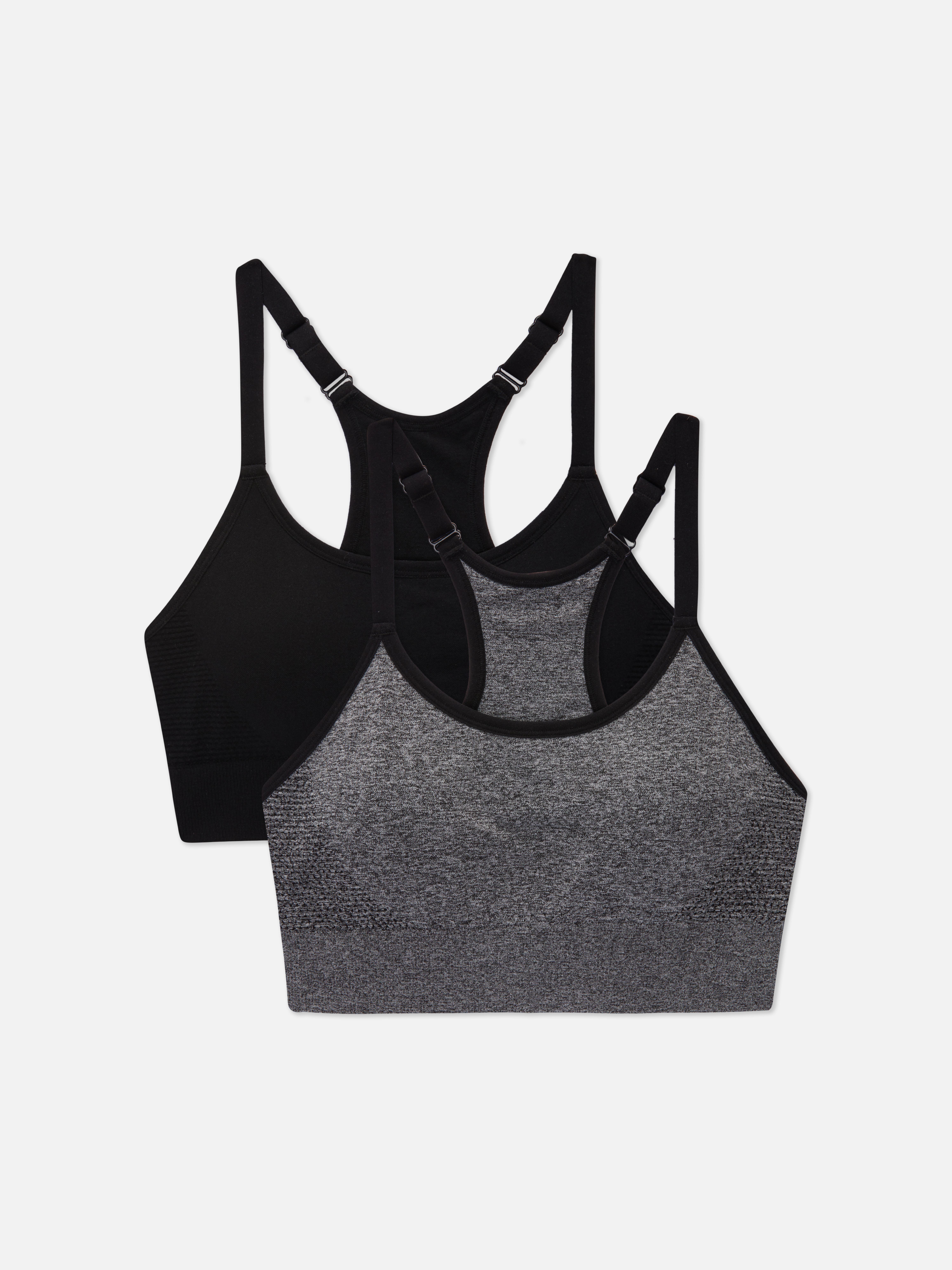
How to choose the right sports bras for your activity
The higher the impact, the more support you need. Choose your sports bra based on how much movement your workout involves.
Low-impact activities
For gentle, low-impact activities such as yoga, Pilates, and stretching, a low-support bra is usually sufficient.
Types of activities: yoga, Pilates, and stretching
Best bra types: compression bras or other light-support styles
Why it works: they work well because they minimise bounce while allowing full flexibility and good breathability, which is important for comfort during slow or controlled movements
Low-to-medium-impact activities
Activities like walking or light weightlifting fall into the low- to-medium-impact range.
Types of activities: walking, weightlifting, Pilates, hiking, light jogging
Best bra types: compression or hybrid bras are great choices here
Why it works: they provide enough control for moderate movement without feeling restrictive. These bras are often wire-free, which adds comfort for sessions that involve a combination of motion and stability
Medium-impact activities
Medium-impact workouts such as cycling, dance classes, and using an elliptical benefit from bras that offer more structure.
Types of activities: cycling, dance, light jogging, martial arts
Best bra types: hybrid or encapsulation sports bras
Why it works: they help reduce bounce while also providing extra shaping and stability. This makes them ideal for activities with continuous or rhythmic movement
High-impact activities
High-impact workouts, including running, HIIT, and most team sports, require strong support to keep breast movement to a minimum.
Types of activities: running, HIIT, and most team sports
Best bra types: encapsulation bras or supportive hybrid bras with a firm band offer the best control
Why it works: they separate and support each breast. This improves comfort and reduces strain during intense, dynamic activity
Pregnant or post-partum support
Pregnant or post-partum individuals often need medium-to-high support due to breast size changes and increased sensitivity. Adjustable, wire-free encapsulation bras provide both stability and flexibility as the body shifts during this time.
Plus-size support
High-support bras with wide bands (whether hybrid or fully encapsulated) offer the most comfort if you are plus-size. These designs distribute weight more evenly and reduce pressure points, providing the structure needed for secure movement during a variety of workouts.
How to prevent sports bra chafing
Choose the correct size: This will minimise any chance of friction and skin irritation if the size is too small.
Look for flat seams: Having to reposition clasps, straps or seams that are uncomfortable and bulky is the last thing you want to be doing when you’re exercising. Instead, opt for sports bras with flat seams that sit flat against the body and feel like a second skin.
Make sure the band fits snugly: Ensure the band of the sports bra sits flat and comfortably against your skin and doesn’t move around or need to be repositioned constantly as you move.
Consider anti-chafe balm: While you shouldn’t need to reach for anti-chafe balm if your sports bra fits you correctly, there may be some instances where short-term relief can be gained from using it. It creates a slippery surface for the material of the sports bra to rub against, rather than your skin.
Replace sports bras regularly: Like regular bras, replacing your sports bras as required is essential. If the band, cups or straps are broken or starting to deteriorate, they are likely not providing the support that you need anymore.
How long do sports bras last?
A sports bra will last around 30 - 40 washes, but the technical fabric will loosen with each cycle, making it less effective.
To give your bra a longer lifespan, wash in cold water, avoid fabric softener and bleach, and do not tumble dry as heat will accelerate the elastic degradation. Instead, dry it flat and if your sports bra starts to rub or chafe, invest in a new one.
FAQs
How to choose the right sports bra for your workout?
Match support to activity: low (yoga), medium (gym), high (running/HIIT)
High-impact needs firm underbands, encapsulation, and adjustable features
Is it better to size up or down in sports bras?
Don’t size up/down before fit-testing the band and cups
Band riding up? Size down. Cup spillage? Size up
Is it bad to wear a tight sports bra every day?
- Too tight can restrict breathing/irritate the skin. Well-fitting is fine for daily wear
Is a sports bra good for sagging breasts?
- Sports bras don’t reverse sagging, but provide lift and reduced movement for comfort
What is the difference between a compression bra and a sports bra?
Compression: presses breasts in. Best for smaller busts/low impact
Encapsulation: supports each breast separately. Ideal for higher impact and larger busts
How to know if a sports bra fits correctly?
The band stays level, straps don’t dig in, and cups are smooth
You can breathe comfortably and bounce is noticeably reduced
Is it better for a sports bra to be tight or loose?
Should feel firm but never restrictive
Pain means it’s too tight, while excessive bounce means it’s too loose